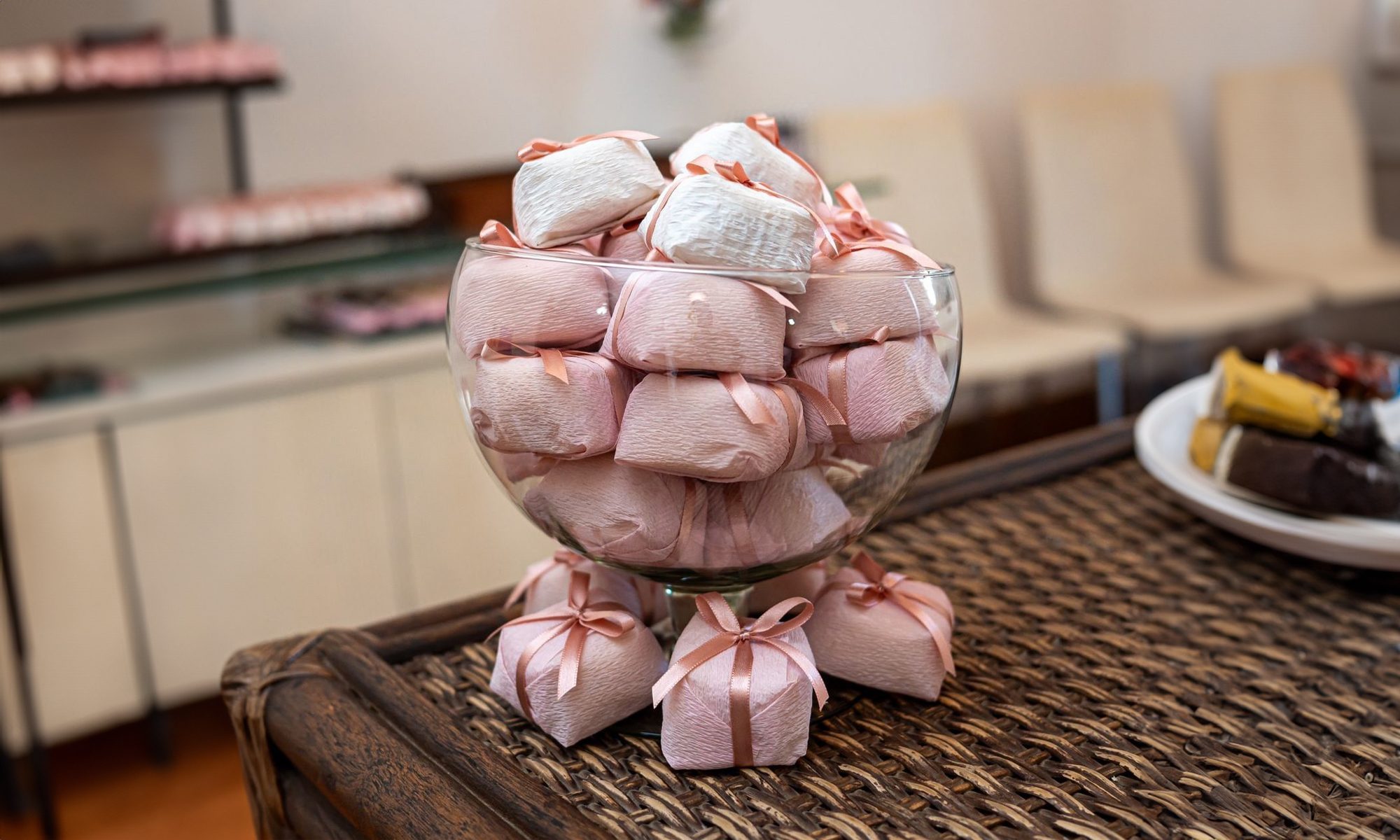

Bento is a traditional Japanese meal that has been an integral part of Japanese cuisine for centuries. The word “bento” itself comes from the Portuguese language, where it was used to describe a lunchbox or a package containing food. However, over time, the term has evolved to become synonymous with a specific type of Japanese meal.
History and Origins
The casinobento.ca concept of bento originated in Japan during the 17th century, when rice balls called “onigiri” were served as a convenient and portable snack for travelers and laborers. As urbanization increased, so did the demand for quick, easy-to-eat meals that could be consumed on-the-go. Bento emerged as a solution to this problem, with vendors selling pre-prepared boxes of rice, fish, and vegetables wrapped in seaweed.
How Bento Works
A traditional bento typically consists of three main components:
- Gohan : Steamed Japanese rice is the base component of any bento. It can be plain or flavored with seasonings like salt, sake, or sugar.
- Tsukemono : Pickled vegetables such as cucumber, carrot, and daikon radish are added to provide a tangy contrast to the richness of the rice.
- Sakana : Grilled fish, chicken, or tofu are commonly used as protein sources in bento. They can be marinated in soy sauce, sake, and sugar before grilling for extra flavor.
In addition to these core components, other common additions include:
- Japanese-style fried food like tempura bits
- Sweet potato or carrot sticks
- Wakame seaweed salad
Types of Bento
There are several variations of bento that cater to different tastes and dietary preferences. Some popular types include:
- Hinomaru : A basic bento consisting of steamed rice, grilled chicken, and a side dish like miso soup or pickled plum.
- Ekiben : A luxurious bento designed for train travelers, typically featuring high-quality ingredients like fresh seafood, meat, and vegetables.
- Taiyaki : A sweet bento filled with red bean paste, fruit, or other desserts.
- Bentos for special occasions : During festivals like New Year’s (Oshogatsu) or Golden Week, unique bentos are created to celebrate the occasion.
Types of Bento Containers
Traditionally, bentos were served in small wooden containers called “hako” or “sakamori”. Modern bento boxes often feature colorful designs and shapes inspired by Japanese architecture, anime characters, or cartoon-style food illustrations. Common materials used for modern bento containers include:
- Plastic
- Aluminum
- Stainless steel
Food Safety and Hygiene
In Japan, strict regulations govern the preparation and sale of bentos to ensure cleanliness and quality control. Food vendors are required to maintain high standards in their kitchens, handling food safely and hygienically.
Bento Culture Beyond Japan
The concept of bento has inspired global adaptations and reinterpretations in various cuisines:
- Korean bibimbap : A bowl of mixed rice topped with vegetables, meat or eggs.
- Chinese fan tian : Steamed vegetable fritters served on a bed of rice.
- Japanese-inspired fusion : Bento is adapted to use Western flavors and ingredients.
Nutritional Benefits
Bentos are carefully prepared to ensure balanced macronutrients and micronutrient distribution. Rice, vegetables, protein sources, and seasonings contribute essential nutrients like carbohydrates, fiber, vitamins A & C, iron, and calcium.
Cultural Significance
In Japanese culture, bentos hold significant emotional value:
- Social bonding : Sharing a bento meal with family members or colleagues fosters togetherness.
- Nostalgia : Bentos evoke memories of childhood snack times or time spent on holiday excursions.
- Food safety education : Parents teach children about handling food safely, emphasizing the importance of cleanliness.
Impact and Cultural Exchange
Bentos have transcended borders, reflecting Japan’s increasing global influence in food culture:
- International adaptations : Western countries integrate elements from bento-style meals to create innovative fusion dishes.
- Global appreciation : Japanese cuisine as a whole gains international recognition for its distinctiveness and culinary value.
Evolution of Bento
The concept of bento continues to evolve with changing lifestyles, tastes, and technology:
- Health-conscious variations : Healthy ingredients like quinoa or tofu become increasingly popular in bento recipes.
- Technological advancements : Smart containers equipped with temperature control or nutritional data tracking contribute to modernizing the traditional meal experience.
Conclusion
Bentos are a cornerstone of Japanese cuisine and culture, originating from simple rice balls sold on street corners. Through their evolution over time, these portable meals reflect changes in society’s needs, values, and culinary preferences. By incorporating historical context, cultural significance, nutrition, and modern adaptations, this article has provided an exhaustive look into the multifaceted world of bentos.