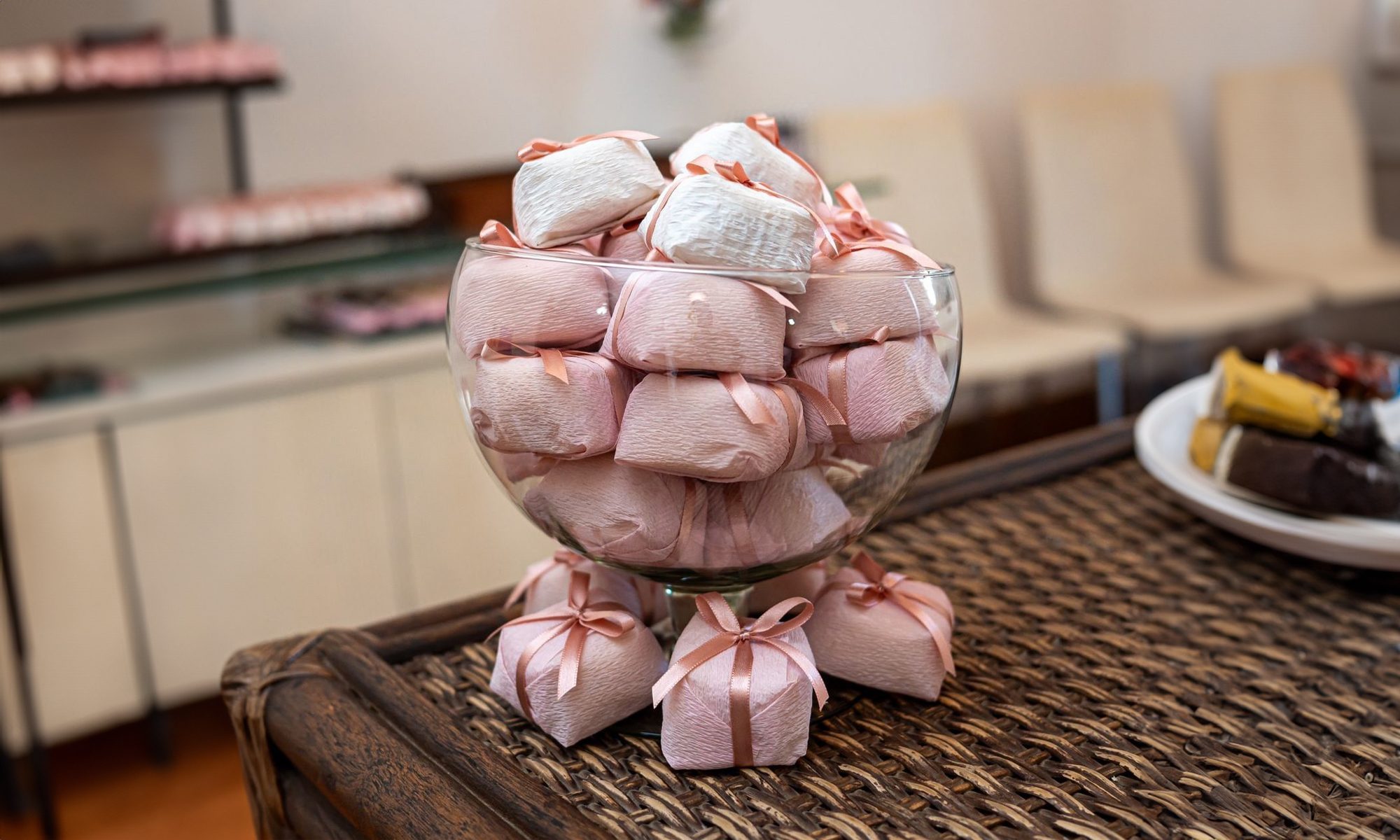

Bento, a term borrowed from the Japanese language, has become increasingly popular worldwide in recent years due to its unique combination of visual presentation, balanced nutrition, and cultural significance. For those unfamiliar with this concept, understanding what bento entails can seem daunting, given the diverse array of meanings it encompasses. casino Bento In essence, bento refers to a meal that combines food, aesthetics, and convenience into an all-encompassing dining experience.
Origins and History
Bento’s origins date back centuries in Japan, where meals were prepared for workers who needed something portable yet nutritious while away from home or at work. These early versions of bento typically consisted of steamed rice, fish or meat, and various vegetables, carefully arranged to provide a well-balanced meal that was also visually appealing.
Over time, as Japanese culture spread globally, the concept of bento underwent significant transformations. In modern times, bento is no longer limited to its traditional origins; instead, it has evolved into a versatile culinary art form with diverse influences and interpretations from various cultures worldwide.
Key Components
At its core, a typical bento meal consists of several key components that complement each other in terms of taste, texture, and presentation. Some common elements found in Japanese-inspired bentos include:
- Gohan (Steamed Rice) : A fundamental base for most meals, providing carbohydrates for sustained energy.
- Main Course : The primary protein source can vary depending on the season or regional specialties; options might range from grilled chicken to sushi rolls or tempura bits.
- Tsukemono (Pickled Vegetables) : Thinly sliced cucumbers, daikon radish, carrots, and other vegetables are typically pickled in vinegar for added crunch and flavor.
- Okazu : Small portions of side dishes such as egg salad, miso soup, or deep-fried tofu contribute to the overall balance.
Presentation
One defining characteristic of bento is its focus on aesthetics. Each component is thoughtfully arranged within a container designed specifically with presentation in mind, showcasing creativity and attention to detail. A harmonious combination of colors, textures, and patterns is used to enhance visual appeal without compromising flavor or nutritional value. The act of presenting food as art has become an integral part of the bento experience.
Global Variations
While traditional Japanese bento remains a significant influence, diverse regional adaptations have emerged around the world, reflecting local tastes and preferences. Western-style bentos often feature more substantial portions, heartier protein sources, or unique ingredients such as tapas-inspired dishes in Spain or fusion cuisine in Korea. Examples of global variations include:
- Western Bento : Focused on satisfying appetites with a mix of international flavors like falafel, Korean BBQ beef tacos, and pasta salad.
- Korean-Style Bento : Incorporating popular Korean ingredients such as kimchi (spicy fermented cabbage), bibimbap rice bowls, or stir-fried noodles.
Types of Containers
A variety of containers is specifically designed for bento meals to accommodate the careful arrangement of food components. Popular options include:
- Bento Box : Traditional wooden or plastic boxes with multiple compartments and often an included utensil set.
- Lunchbox : An airtight container ideal for packing sandwiches, fruits, snacks, and other Western-style lunches.
- Wrap Containers : Foldable containers designed to resemble sushi rolls but can hold any combination of ingredients.
The Growing Popularity
Bento’s increasing global appeal stems from several factors:
- Healthy Eating Options : Emphasizing balanced meals with a focus on wholesome foods appeals to growing concerns about nutrition and well-being.
- Creative Expression : The bento meal format offers an outlet for creativity, whether in choosing ingredients or presenting them.
- Cultural Exchange : As more people from diverse cultural backgrounds explore international cuisine, the concept of bento provides a unique entry point into Japanese culture and beyond.
Conclusion
Bento represents more than just a meal; it’s an art form that combines nourishment with aesthetics, allowing individuals to cultivate their culinary skills while appreciating different cultures. With its evolution through time and across regions, understanding what bento is today requires acknowledging both its historical roots in Japan and the diverse adaptations emerging worldwide.
Whether experienced as part of cultural heritage or innovative fusion cuisine, the essence of bento lies in harmonizing flavors, textures, and colors to create a meal that delights not only our taste buds but also inspires creativity. As more people discover this unique culinary phenomenon, they are not just consuming food – they’re participating in an experiential journey through diverse cultures and traditions.
In light of the above information, we can analyze various aspects of bento further:
- Types and Variations: Explore different types of bento meals from across the globe to understand their unique characteristics.
- Presentation and Containers: Examine how containers are designed for arranging food components and contribute to the overall appearance of a meal.
- Influence on Healthy Eating Options: Discuss how the emphasis on balanced meals contributes to growing concerns about nutrition worldwide.
- Growing Popularity : Analyze why people from diverse cultural backgrounds find bento appealing, whether due to its focus on healthy eating or creative expression.
With an in-depth understanding of this concept and its global significance, it’s clear that exploring what is bento can lead us down a fascinating path of discovery about food culture, regional influences, and culinary innovation.