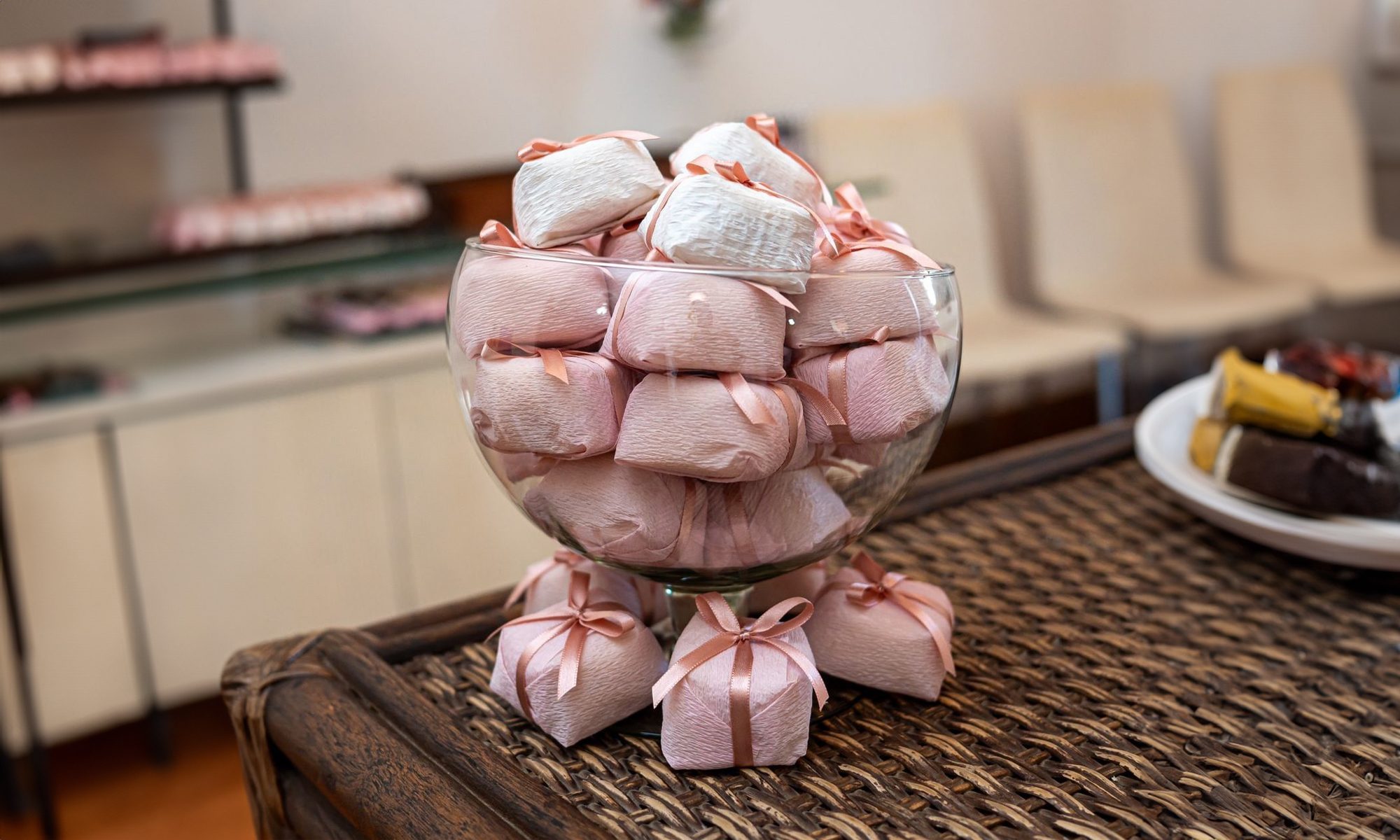

- Seasonal delights bloom with bon rush and unforgettable Parisian patisserie traditions
- The Historical Roots of Seasonal Pastries in France
- The Art of the Pâtissier: Skill and Technique
- The Seasonal Calendar: A Year of Delight
- The Influence of Parisian Patisseries on Global Trends
- Beyond the Sweet Treat: The Cultural Significance
Seasonal delights bloom with bon rush and unforgettable Parisian patisserie traditions
The fleeting magic of Parisian patisseries is often tied to specific seasons, and few moments capture this ephemeral joy quite like the arrival of the bon rush. This isn't merely a seasonal offering; it’s a deeply ingrained cultural phenomenon, a delightful anticipation that builds as bakers perfect their recipes and prepare for the influx of customers eager to experience these limited-time treats. It's a tradition that speaks volumes about the French appreciation for quality, craftsmanship, and the simple pleasure of a perfectly crafted confection.
The concept extends beyond simply buying a pastry. It’s about participating in a collective ritual, sharing in a moment of sweetness with friends and family, and acknowledging the changing seasons. The carefully selected ingredients, the delicate flavors, and the exquisite presentation all contribute to an experience that is both comforting and celebratory. These seasonal creations are a testament to the enduring legacy of French pastry-making, a skill passed down through generations and constantly evolving with creative innovation.
The Historical Roots of Seasonal Pastries in France
The tradition of creating seasonal pastries in France has remarkably deep roots, stretching back centuries. While the modern iteration, heavily emphasizing elaborate designs and inventive flavor combinations, is a relatively recent development, the fundamental concept of tying baked goods to specific times of the year originated in medieval times. Historically, ingredients were often seasonal by necessity; what wasn’t available from local farms and orchards during certain months simply couldn’t be used. This limitation inadvertently fostered creativity, leading bakers to develop recipes that celebrated the bounty of each season. For example, fruits like cherries would inspire tartes in the summer, while chestnuts would be featured prominently in autumnal creations.
The development of refining techniques, particularly in sugar and chocolate, greatly impacted pastry-making during the Renaissance and subsequent centuries. This allowed for more intricate decorations and the inclusion of more luxurious ingredients, elevating pastries from everyday staples to symbols of status and artistry. The royal courts played a significant role in this elevation, commissioning elaborate confectionary displays for banquets and celebrations. This patronage fueled innovation and the pursuit of perfection in pastry-making, establishing a tradition of excellence that continues today. The bon rush, in its modern form, is a direct descendant of this rich historical heritage, a vibrant expression of a long-held cultural appreciation for seasonal delicacies.
| Season | Traditional Pastry | Key Ingredients | Symbolism |
|---|---|---|---|
| Spring | Fraisier | Strawberries, crème mousseline | Renewal, freshness, the arrival of warmer days |
| Summer | Tarte aux Fruits Rouges | Raspberries, currants, blueberries | Abundance, the peak of fruit harvest |
| Autumn | Tarte Tatin | Apples, caramelized sugar | Harvest, warmth, comfort |
| Winter | Bûche de Noël | Chocolate, cream, marzipan | Celebration, family, the festive season |
The table above shows only a small sampling of the seasonal pastries available in France. Each region often boasts its own unique specialties, reflecting local ingredients and traditions. Understanding this historical context helps appreciate the cultural significance of the current ‘bon rush’ phenomenon.
The Art of the Pâtissier: Skill and Technique
Creating a truly exceptional seasonal pastry isn't simply about following a recipe; it’s about mastering a complex set of skills and techniques that require years of dedicated training. A pâtissier, a French pastry chef, is considered an artisan, and the profession is highly respected. The foundation of their skill lies in understanding the precise chemical reactions that occur when ingredients are combined, knowing how different temperatures and techniques affect texture and flavor, and possessing an artistic eye for presentation. The ability to temper chocolate to create a perfect snap, to laminate dough into delicate, flaky layers, and to create smooth, stable creams are all hallmarks of a skilled pâtissier.
Beyond technical skill, a good pâtissier needs a deep understanding of flavor profiles and how to balance them harmoniously. They are constantly experimenting with new ingredients and techniques, pushing the boundaries of traditional pastry-making while remaining true to the core principles of quality and taste. The emphasis on visual appeal is also crucial. Pastries are often decorated with intricate designs, using techniques such as piping, glazing, and sculpting. The goal is to create a visual masterpiece that is as enticing to the eye as it is to the palate.
- Ingredient Sourcing: Prioritizing fresh, seasonal, and high-quality ingredients.
- Dough Mastery: Perfecting techniques like pâte sablée, pâte sucrée, and puff pastry.
- Cream & Filling Expertise: Creating smooth, stable, and flavorful creams, custards, and mousses.
- Chocolate Tempering: Achieving a glossy finish and a crisp snap in chocolate creations.
- Artistic Decorating: Utilizing piping, glazing, and sculpting techniques for visual appeal.
The dedication and artistry involved in French pastry-making explain why the bon rush pastries are so highly anticipated and sought after. It is about the skill and the process that creates a truly special experience.
The Seasonal Calendar: A Year of Delight
The French pastry calendar is meticulously planned, with each season bringing its own unique array of creations. While some pastries are associated with specific holidays – such as the Bûche de Noël for Christmas or the Galette des Rois for Epiphany – many are simply tied to the availability of seasonal fruits and other ingredients. In spring, light and fruity pastries like Fraisier, featuring fresh strawberries, take center stage. Summer brings tarts filled with berries and stone fruits, offering a refreshing respite from the heat. As autumn arrives, warmer flavors like chestnut and apple dominate, leading to creations like the Tarte Tatin, a caramelized apple tart that is a quintessential autumnal delight. Winter ushers in richer, more decadent pastries, often incorporating chocolate, spices, and dried fruits.
This seasonal rotation is a key element of the French pastry tradition. It ensures that customers are always presented with something new and exciting, and it allows bakers to showcase the best of what each season has to offer. The anticipation surrounding the arrival of each new creation is a significant part of the experience, and it fosters a sense of community among pastry enthusiasts. The bon rush, therefore, isn't just a fleeting moment of enjoyment – it’s a year-round celebration of culinary artistry and seasonal flavors.
- January/February: Galette des Rois (King Cake) – celebrating Epiphany
- Spring (March-May): Fraisier, Easter-themed chocolates and pastries
- Summer (June-August): Tarte aux Fruits Rouges, Peach Melba-inspired creations
- Autumn (September-November): Tarte Tatin, Chestnut-based pastries
- Winter (December): Bûche de Noël, festive gingerbread creations
Successfully navigating this calendar requires meticulous planning and a deep understanding of seasonal availability. Pastry chefs rely on long-standing relationships with farmers and suppliers to ensure they have access to the highest quality ingredients throughout the year.
The Influence of Parisian Patisseries on Global Trends
The influence of Parisian patisseries extends far beyond the borders of France, shaping pastry trends around the world. The meticulous techniques, artistic presentations, and unwavering commitment to quality have inspired pastry chefs and baking enthusiasts globally. Many chefs undertake formal training in France to learn the traditional methods and gain a deeper understanding of the craft. This knowledge is then brought back to their home countries, where it is often adapted and incorporated into local culinary traditions.
The rise of social media has further amplified the influence of Parisian patisseries. Instagram and other platforms have become virtual showcases for the stunning creations of French pastry chefs, captivating audiences and inspiring a new generation of bakers and foodies. The visual appeal of these pastries, coupled with their reputation for exquisite taste, has fueled a global demand for high-quality, artisanal pastries. The techniques pioneered in Paris now are common in many major cities around the world. The essence of the bon rush – that anticipation of seasonal limited editions – is also being emulated.
Beyond the Sweet Treat: The Cultural Significance
The importance of the bon rush and seasonal pastries goes far beyond simply satisfying a sweet tooth. It’s deeply woven into the fabric of French culture, representing a celebration of tradition, artistry, and the simple joys of life. Sharing a pastry with friends and family is a cherished ritual, creating lasting memories and strengthening social bonds. The act of visiting a patisserie is often seen as a small indulgence, a moment of self-care and enjoyment in a busy world. Pastries are frequently offered as gifts, symbolizing appreciation and affection.
Furthermore, the seasonal nature of these creations reinforces a connection to the natural world, reminding people of the changing seasons and the bounty of the land. The anticipation of each new seasonal offering fosters a sense of community and shared excitement. The artistry and craftsmanship involved in creating these pastries elevate them to the level of art, showcasing the talent and dedication of French pastry chefs. This all contributes to an enduring legacy that continues to delight and inspire generations.